

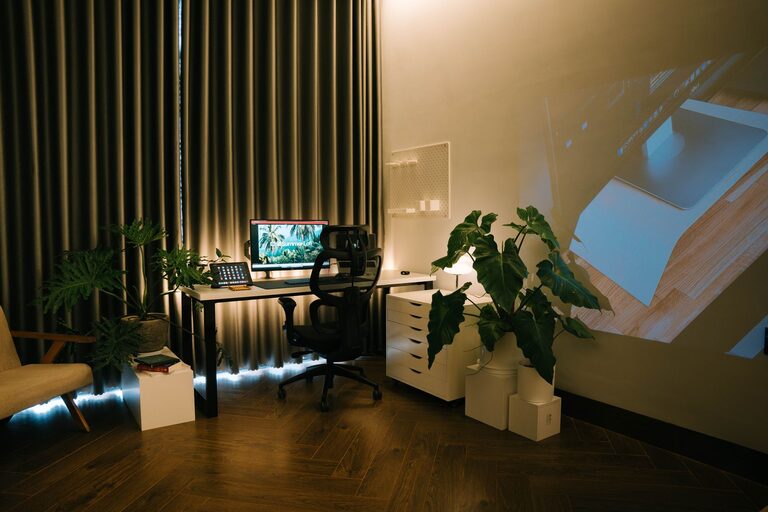
Creating a relaxing home workspace is essential for maintaining focus, reducing stress, and enhancing productivity. Whether you work remotely full-time or occasionally tackle tasks from home, a comfortable and peaceful environment can make all the difference. In this post, we’ll explore practical strategies to design a workspace that promotes relaxation and efficiency.
Why a Relaxing Workspace Matters
When your workspace feels chaotic or uncomfortable, it can lead to distractions and burnout. On the other hand, a calming environment encourages concentration, creativity, and a positive mindset. This balance is particularly important at home, where the boundaries between work and personal life often blur.
Step 1: Choose the Right Location
Pick a Dedicated Space
Whenever possible, select a specific area in your home solely for work. This helps your brain associate the space with productivity, making it easier to focus when you’re there.
Consider Natural Light
Place your desk near a window to take advantage of natural light. Sunlight improves mood and alertness, making your work hours more pleasant. If natural light isn’t available, invest in a quality desk lamp that mimics daylight.
Step 2: Invest in Comfortable Furniture
Ergonomic Chair
A supportive chair helps prevent back and neck pain, allowing you to work longer with less discomfort. Look for adjustable options that suit your posture.
Functional Desk
Choose a desk that fits your space and work needs. Consider one with enough surface area for your computer, notebooks, and any other tools you use regularly.
Add Footrests or Cushions
Small accessories like footrests or seat cushions can enhance comfort throughout the day.
Step 3: Organize and Declutter
Keep Essentials Handy
Use organizers, drawers, or shelves to store supplies neatly. Having everything within reach reduces frustration and keeps your desk tidy.
Clear Unnecessary Items
Limit distractions by removing non-work-related objects from your workspace. A clean, minimalist environment fosters calmness and focus.
Digital Organization
Don’t forget your digital space. Regularly declutter your desktop and organize files into folders to avoid digital overwhelm.
Step 4: Incorporate Calming Elements
Use Soothing Colors
Choose paint or decor colors that promote relaxation, such as soft blues, greens, or neutrals. Avoid overly bright or intense shades that can cause visual stress.
Add Greenery
Plants bring life and freshness to your workspace. They also improve air quality, which can enhance concentration.
Personal Touches
Include a few personal items that make you happy but don’t overcrowd the area—like a favorite photo or a small piece of art.
Step 5: Manage Noise and Distractions
Reduce Ambient Noise
If outside noise bothers you, consider noise-canceling headphones or soft background music to maintain focus.
Set Boundaries
Communicate your work hours to others in your home to minimize interruptions.
Step 6: Prioritize Good Lighting
Layered Lighting
Combine natural light with ambient and task lighting. This helps reduce eye strain and creates a balanced atmosphere.
Adjustable Lamps
Desk lamps with adjustable brightness and direction allow you to customize lighting for different tasks.
Step 7: Maintain Air Quality and Temperature
Ventilation
Ensure your workspace has good airflow to keep the air fresh.
Temperature Control
Keep the room at a comfortable temperature—not too hot or cold—to stay focused and comfortable.
Step 8: Take Breaks and Move
Scheduled Breaks
Incorporate short breaks into your routine to rest your eyes and stretch your body.
Comfortable Break Area
If possible, have a nearby spot where you can relax away from your desk during breaks.
Final Thoughts
Designing a relaxing home workspace isn’t just about aesthetics—it’s about creating an environment that supports your well-being and productivity. By choosing the right location, furniture, and decor, and organizing effectively, you can build a space where work feels less stressful and more enjoyable.
Remember, your workspace should reflect your personal preferences and needs, so feel free to adjust these tips to fit your lifestyle. With a little effort, you can transform your home office into a calming haven that helps you do your best work every day.