

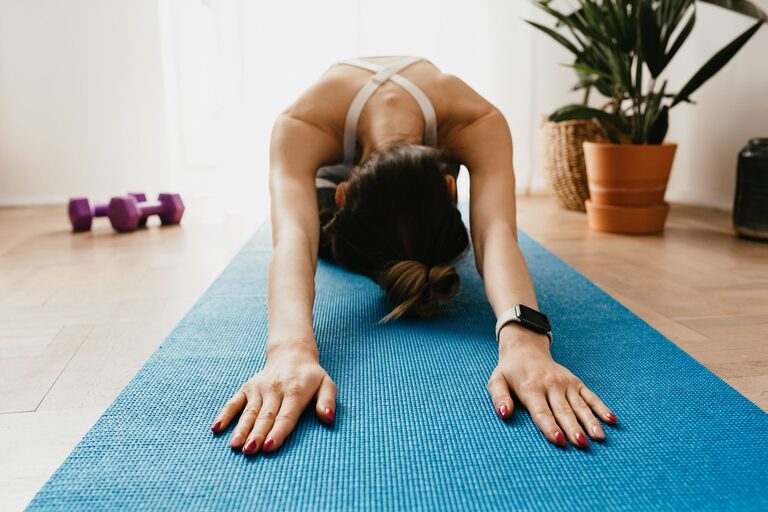
Stretching is a simple yet powerful way to enhance your physical health and improve your daily comfort. Whether you’re new to fitness or looking for a gentle way to stay active, stretching at home can help increase flexibility, reduce muscle tension, and improve posture. This guide will walk you through the basics of stretching, provide easy routines, and share tips to help you get started safely and effectively.
Why Stretch at Home?
Stretching isn’t just for athletes or gym enthusiasts. It benefits everyone by:
– Increasing flexibility and range of motion
– Improving circulation
– Relieving muscle tension and stiffness
– Enhancing posture and balance
– Reducing the risk of injury
– Helping you relax and reduce stress
Doing these stretches at home means you can fit them into your schedule easily, without any equipment or gym membership.
Understanding Different Types of Stretching
There are several types of stretching, but beginners should focus primarily on two:
1. Static Stretching
This involves holding a stretch in a comfortable position for 15 to 60 seconds. It helps lengthen muscles and improve flexibility over time. Static stretches are best done after warming up or at the end of your workout.
2. Dynamic Stretching
Dynamic stretches involve moving parts of your body gently through a full range of motion. These are ideal before physical activity to prepare your muscles and joints.
For beginners, starting with gentle static stretching routines at home is often the safest and most accessible approach.
Preparing to Stretch Safely
Before you start stretching, keep these tips in mind to prevent injury:
– Warm up first: Stretching cold muscles can cause strain. Try light activity like walking or marching in place for 5 minutes.
– Wear comfortable clothing: Choose clothes that don’t restrict movement.
– Use a soft surface: A yoga mat or carpet can provide cushioning.
– Breathe normally: Avoid holding your breath while stretching.
– Listen to your body: Stretch to the point of gentle tension, not pain.
Beginner-Friendly Stretching Routine
Below is a simple routine targeting major muscle groups. Aim to hold each stretch for 20 to 30 seconds and repeat 2 to 3 times.
Neck Stretch
– Sit or stand tall.
– Tilt your head gently towards your right shoulder.
– Use your right hand to apply light pressure for a deeper stretch.
– Switch sides.
Shoulder Stretch
– Bring your right arm across your chest.
– Use your left hand to hold your right arm near the elbow.
– Gently pull your arm closer to your chest.
– Switch arms.
Triceps Stretch
– Raise your right arm overhead.
– Bend the elbow to touch your upper back.
– Use your left hand to gently press the right elbow.
– Switch arms.
Chest Stretch
– Stand facing a doorway.
– Place your hands and forearms on each side of the doorway.
– Step forward slightly until you feel a stretch across your chest.
Side Stretch
– Stand with feet shoulder-width apart.
– Raise your right arm overhead.
– Lean gently to the left side.
– Switch sides.
Hamstring Stretch
– Sit on the floor with your legs extended.
– Reach forward towards your toes, keeping your back straight.
– Stop when you feel a stretch along the back of your thighs.
Quadriceps Stretch
– Stand with one hand against a wall for balance.
– Bend your right knee and hold your ankle behind you.
– Pull your heel gently towards your buttocks.
– Switch legs.
Calf Stretch
– Stand facing a wall.
– Place your hands against the wall.
– Step one foot back, keeping it flat on the floor.
– Lean into the wall until you feel a stretch in your calf.
– Switch legs.
Tips for Consistency and Progress
Stretching is most effective when done regularly. Here are some ideas to help you maintain your routine:
– Set aside 10 to 15 minutes daily.
– Stretch at the same time each day for better habit formation.
– Combine stretching with other activities like morning walks or before bed.
– Gradually increase the duration and intensity of your stretches.
– Keep track of your progress by noting improvements in flexibility.
Additional Benefits of Stretching
Besides physical advantages, stretching can improve mental health by promoting relaxation and reducing stress levels. Deep breathing during stretches supports mindfulness and a calm state of mind.
When to Avoid Stretching or Seek Advice
If you experience sharp pain while stretching, stop immediately. Certain medical conditions or injuries may require modifications or consulting a healthcare professional before starting a new stretching routine.
Final Thoughts
Starting a stretching practice at home is a gentle and effective way to improve your health and well-being. With just a few minutes each day, you can increase flexibility, reduce muscle tension, and feel more energized throughout your day. Remember to move mindfully, listen to your body, and enjoy the benefits of this simple practice.
Happy stretching!