

Planning balanced meals doesn’t have to be complicated or stressful. With a few simple strategies, you can create nutritious, satisfying dishes that support your health and fit easily into your lifestyle. Whether you’re cooking for yourself, your family, or a group, learning how to plan meals thoughtfully can save time, reduce food waste, and help you feel confident about what you’re eating.
In this post, we’ll explore practical steps to plan balanced meals without stress, including understanding key nutrients, organizing your shopping list, and preparing meals efficiently. Let’s get started!
What Is a Balanced Meal?
Before diving into meal planning tips, it helps to understand what makes a meal balanced. A balanced meal typically includes:
– Protein: Supports muscle health and keeps you full. Examples: chicken, beans, fish, tofu, eggs.
– Vegetables: Provide essential vitamins, minerals, and fiber.
– Whole grains: Offer energy and fiber. Examples: brown rice, quinoa, whole wheat bread.
– Healthy fats: Important for brain and heart health. Examples: olive oil, avocado, nuts.
A good meal combines these elements in a variety of colors and textures to keep things interesting and nutritious.
Step 1: Plan Ahead with Simple Meal Templates
One of the easiest ways to reduce stress is to create a basic meal template you can customize. For example:
– Protein + vegetable + whole grain
– Salad with mixed greens + protein + healthy fat
– Soup or stew with vegetables and protein + side of whole grain
Having these go-to frameworks means you can swap ingredients based on what you have or what’s in season, making planning flexible and less daunting.
Step 2: Make a Weekly Meal Plan
Taking 15–20 minutes each week to plan your meals helps you avoid last-minute scrambling. Here’s how:
– Check your schedule: Note busy days that may require quick meals or leftovers.
– Choose 3–5 dinners: Pick recipes using your templates.
– Plan lunches and breakfasts: Think about leftovers, simple options like yogurt with fruit, or oatmeal.
– Include snacks: Fresh fruit, nuts, or sliced veggies are easy and nutritious choices.
Write your plan on paper, a whiteboard, or use a meal planning app—whatever works best for you.
Step 3: Shop with a Purpose
A well-organized grocery list follows your meal plan and includes staples you use regularly. Tips for stress-free shopping:
– Group items by store section: Produce, dairy, pantry, etc.
– Stick to the list: Avoid impulse buys that might not fit your plan.
– Buy versatile ingredients: Choose foods that can be used in multiple recipes.
– Consider frozen and canned: These can be convenient, nutritious options and reduce trips to the store.
When you shop with your meals in mind, you’ll waste less food and save money.
Step 4: Prep Ingredients in Advance
Preparing some ingredients ahead of time can save you from feeling rushed when it’s time to cook.
– Chop vegetables: Store them in airtight containers for easy use.
– Cook grains in bulk: Refrigerate or freeze portions for the week.
– Marinate proteins: Gives flavor and shortens cooking time.
– Make simple sauces or dressings: These add variety and freshness.
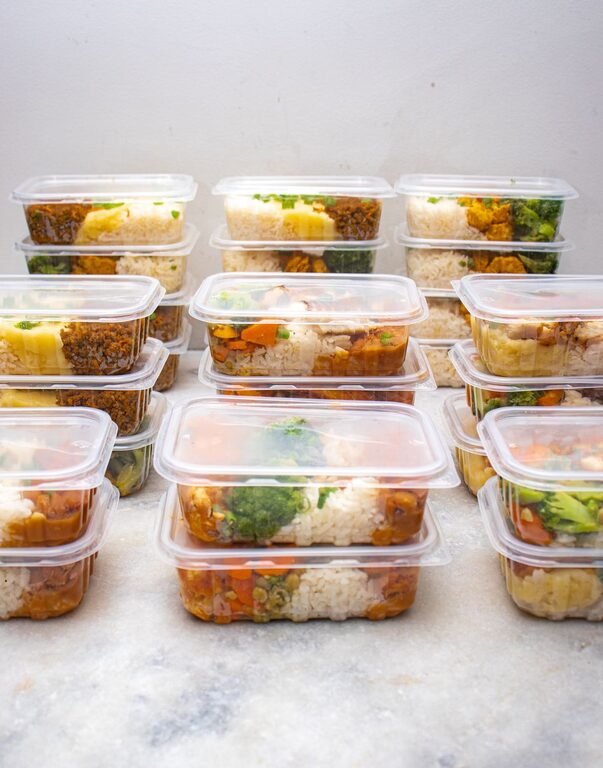
Batch cooking and prepping can reduce the daily effort needed and help keep your meals balanced.
Step 5: Keep Meals Simple and Flexible
Balanced doesn’t mean complicated. You can keep meals stress-free by:
– Using one-pan or sheet-pan recipes: Less cleanup and fast cooking.
– Embracing leftovers: Turn them into new meals like wraps, salads, or stir-fries.
– Trying theme nights: Taco Tuesday, Meatless Monday, or Stir-fry Friday add fun and structure.
– Allowing room for spontaneity: If your plan changes, swap meals or adjust ingredients.
Remember, the goal is nourishing your body without adding pressure.
Step 6: Listen to Your Body and Preferences
Meal planning should adapt to your tastes and needs. Consider:
– How hungry you feel at different times of day
– Food preferences and any dietary restrictions
– Seasonal produce availability
– Your cooking skills and time available
Being flexible means you’re more likely to stick with balanced eating long term.
Bonus Tips for Success
– Keep a well-stocked pantry: Beans, canned tomatoes, nuts, and spices can turn simple meals into flavorful dishes.
– Use apps or journals: Track what works and what you enjoy.
– Get the family involved: Cooking together can be fun and help everyone appreciate healthy meals.
– Stay positive: Don’t aim for perfection—balance is about overall habits, not every single meal.
—
Planning balanced meals without stress is all about preparation, flexibility, and simplicity. By using easy meal templates, shopping mindfully, prepping ahead, and staying tuned in to your needs, you can enjoy healthy, delicious meals every day without feeling overwhelmed. Give these tips a try and see how mealtime becomes more enjoyable and manageable. Happy cooking!